Bicycle Parts & Accessories
Products · Bicycle Parts & Accessories
2 active deals
Bicycle parts and accessories: buy compatibility rather than resemblance
A part resembling the original may not work on your bicycle. Standards, dimensions and the rest of the system determine compatibility. Separate replacement for wear from an accessory adding a function, and record what is currently installed before looking for alternatives that only appear similar in the product photograph.
Identify the existing size and system
For tyres, use standardised dimensions and check rim compatibility and frame clearance; an inch-based name can be ambiguous. Gear count alone does not establish compatibility among chain, cassette, shifter and derailleur. Axles and attachments also come in different formats. Record references or consult technical documentation. Do not choose from a photograph when a decisive dimension is missing; returning a part does not easily recover workshop time or compensate for a bicycle left unusable.
Wear may involve several components
Replacing a chain does not always solve problems if other drivetrain parts are worn. Brake pads, rotors and hydraulic systems require specific compatibility; do not mix fluids or parts based on appearance. Establish whether the replacement needs an assessment of the whole system and seek professional help for unfamiliar safety-related work. A cheap component may require additional replacements. Include parts, consumables, tools and labour before assuming that a repair will be straightforward or inexpensive.
Accessories must attach without interference
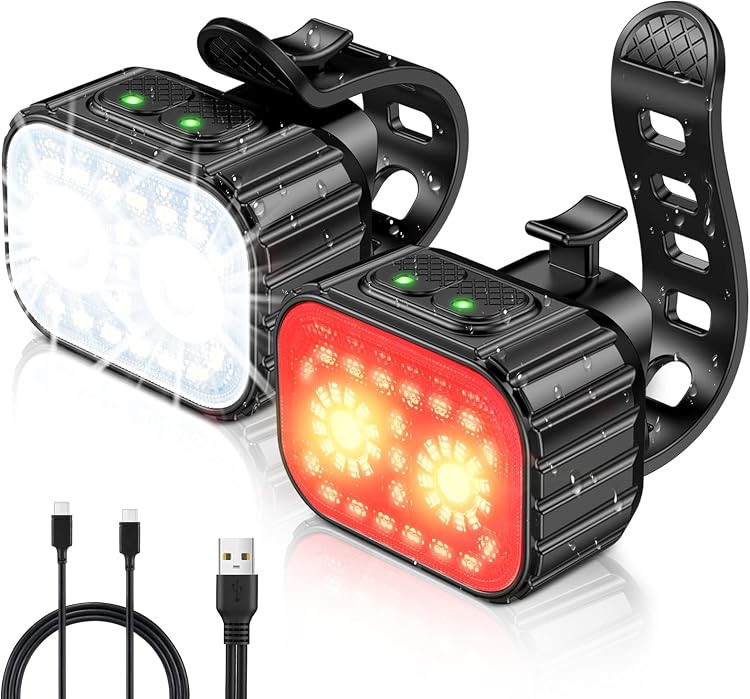
Lights, racks, mudguards and bags need suitable mounting points and operating space. Check diameters, attachments and load limits; a bag that fits may rub wheels or cables once it moves. For lights, consider visibility, direction, running time and local rules rather than advertised output alone. A lock should let you secure necessary parts to an available anchor. Judge operation on your particular bicycle, not the number of adapters shown inside a product box.
Choose tools for work you can perform
A multitool does not contain every specific wrench or puller required for a repair. Check tool formats and access to bolts, distinguishing roadside help from workshop equipment. Where tightening torques are specified, you need the ability to follow them rather than guessing force. Keep instructions, compatible spares and a plan for work requiring a technician. This category excludes helmets: it concerns bicycle operation and equipment, without replacing personal protection or implying that tools provide it.