Musical Instruments
Products · Musical Instruments
4 active deals
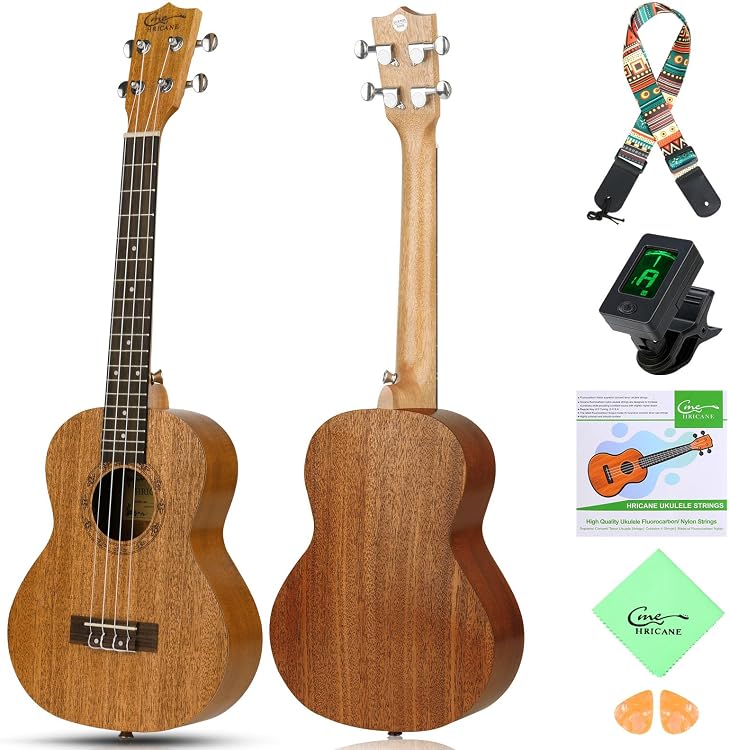
Hricane UKM-3 Mahogany Tenor Ukulele
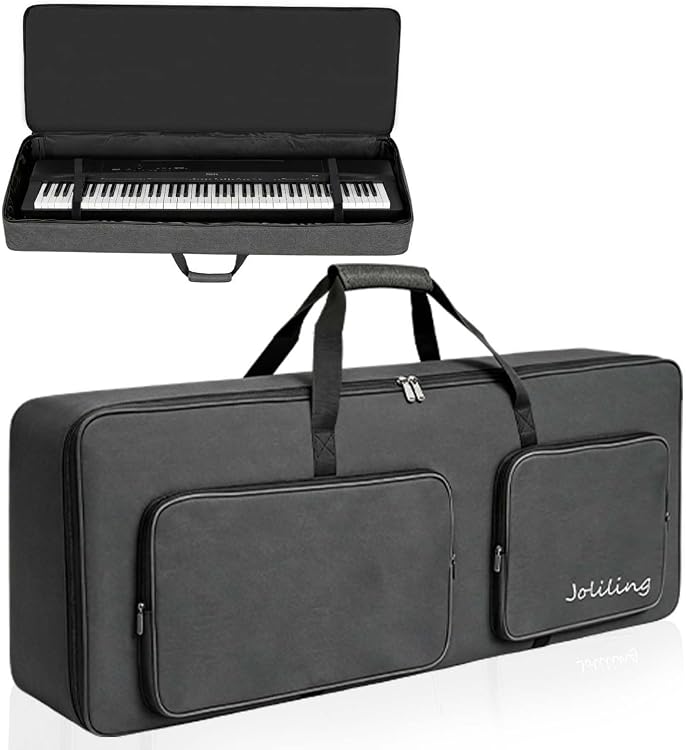
Joliling 76-Key Keyboard Gig Bag, 10 mm Padding
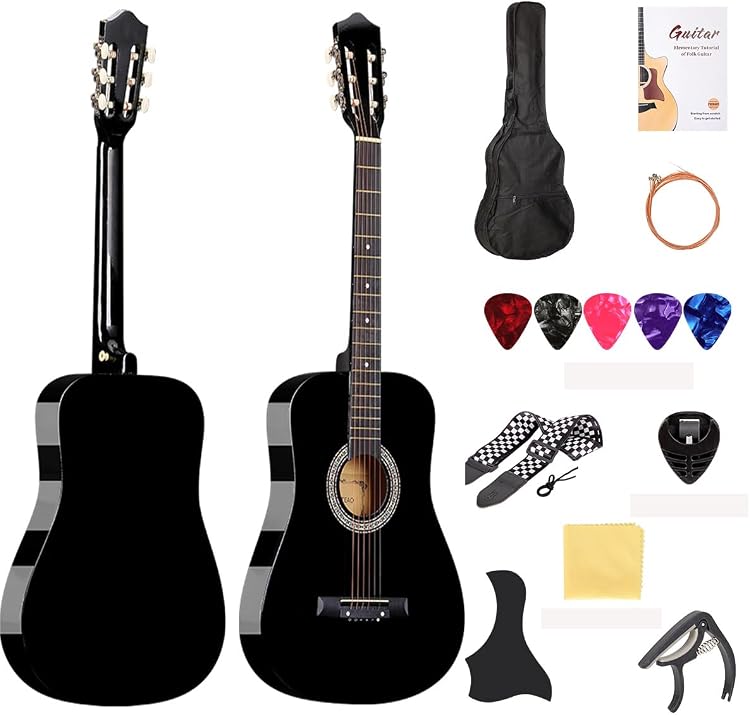
Generic 38-Inch Black Acoustic Folk Guitar Starter Kit
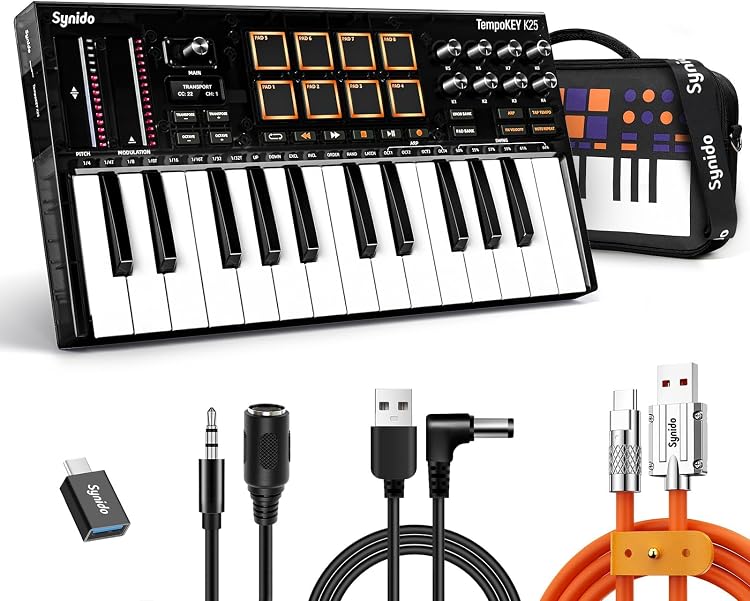
Synido TempoKEY K25 25-Key USB MIDI Controller
Musical instruments: choose a setup you can practise with
Choosing an instrument also means choosing how to practise, transport and maintain it. No instrument family is universally best for beginners. Consider the sound you want to play and the space available. This category includes instruments and playing accessories, not musical toys, general speakers or recordings.
Acoustic, electric or digital for your setting
An acoustic instrument makes sound without amplification, but its volume cannot always be reduced as much as you need. An electric instrument may require an amplifier or compatible listening setup. For digital instruments, check headphone output, built-in speakers and power requirements; packages differ. Headphones do not necessarily remove the mechanical noise of keys, strikes or pedals either. Consider neighbours and practice times before choosing your system.
Size and response that support learning
For strings, scale length and body size change reach and posture; for keyboards, key count and response affect repertoire and technique. Weight and assembly can matter for wind instruments. If taking lessons, ask which characteristics your intended learning needs before choosing accessories. Beginner branding does not establish correct fit. For children, assess size with the person teaching rather than deriving it from age alone or buying room to grow.
Package contents and connections
Count everything needed to play from day one: stand, case, consumables, cables or power supply as appropriate. A lightweight bag helps transport but is not equivalent to a rigid case. For digital features, distinguish audio from data: a USB connection may carry MIDI without carrying sound. Check stated compatibility with your equipment and whether recording requires cables, an audio interface or software that are not included.
Tuning, upkeep and informed buying
Strings, drumheads, reeds and other parts have different replacement needs. Check availability, care and access to professional adjustment where appropriate. When buying used, request condition information and competent assessment if you cannot identify problems yourself. A sales description cannot replace listening or trying the response where possible. Budget for consumables and adjustments to keep the instrument playable; promises of rapid progress do not establish its quality.